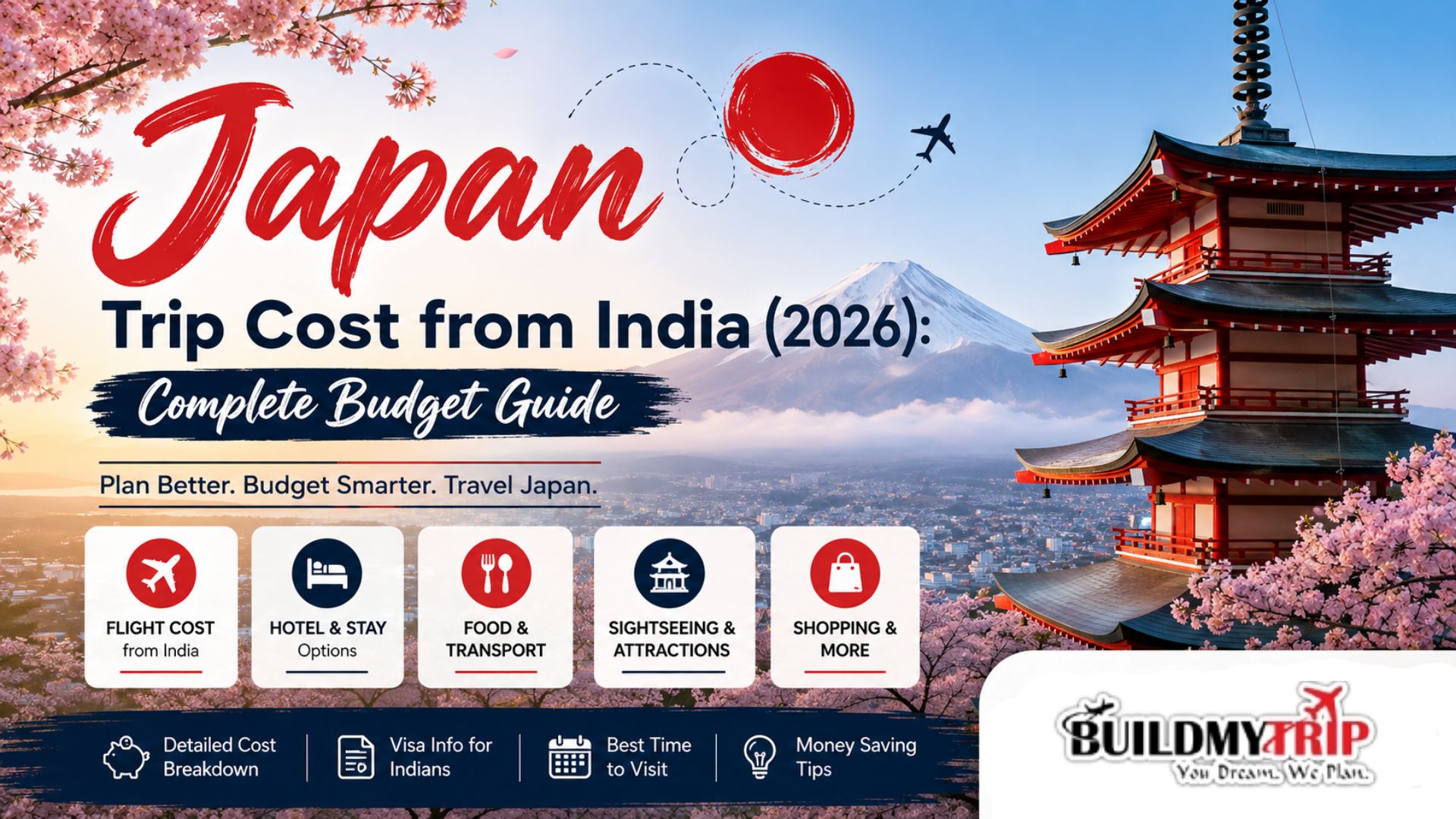
Japan has long been a dream destination for travelers around the world. From the vibrant streets of Tokyo and the peaceful temples of Kyoto to the breathtaking views of Mount Fuji and the famous cherry blossoms, Japan offers a perfect blend of tradition and modern life. Over the last few years, more Indian travelers have started choosing Japan for family vacations, honeymoons, group tours, and even solo adventures, making it one of the fastest-growing international travel destinations.
One of the biggest reasons many people hesitate to plan a Japan trip is the belief that it's too expensive. While Japan does have luxury experiences, it is no longer a destination reserved only for high-budget travelers. With smart planning, early flight bookings, the right hotel choices, and a well-designed itinerary, you can enjoy an unforgettable Japan holiday without overspending. Whether you're looking for a budget-friendly vacation, a comfortable mid-range trip, or a luxury experience, Japan offers options for every type of traveler.
The overall cost of a Japan trip depends on several factors, including your travel season, trip duration, cities you plan to visit, accommodation preferences, transportation choices, and sightseeing activities. Understanding these expenses before you book can help you avoid unexpected costs and make better travel decisions.
In this complete guide, we'll break down every major expense involved in planning a Japan trip from India. You'll learn about flight prices, visa costs, hotel budgets, food expenses, transportation, sightseeing, shopping, and practical money-saving tips. We'll also compare the estimated cost of 7-day, 10-day, and 12-day Japan itineraries and answer the most common questions Indian travelers have before visiting Japan.
If you're planning your first Japan holiday in 2026, this guide will help you estimate your budget with confidence and prepare for an unforgettable journey to one of the world's most fascinating destinations.
Why Visit Japan in 2026?
Japan is unlike any other destination in the world. It is a country where centuries-old traditions exist alongside cutting-edge technology, creating an experience that is both fascinating and unforgettable. Whether you're walking through peaceful temple gardens in Kyoto or watching futuristic robots in Tokyo, every day in Japan offers something new to discover.
One of Japan's greatest attractions is its rich history. Ancient temples, shrines, castles, and traditional villages have been carefully preserved, allowing visitors to experience the country's cultural heritage firsthand. Destinations such as Kyoto, Nara, and Himeji are filled with historic landmarks that reflect Japan's deep-rooted traditions and craftsmanship.
At the same time, Japan is known for its vibrant modern cities. Tokyo, the capital, is a dynamic metropolis filled with skyscrapers, shopping districts, world-class restaurants, and advanced public transportation. Osaka is famous for its lively nightlife and delicious street food, while Yokohama and Nagoya offer a perfect mix of culture, entertainment, and urban life.
Nature lovers will find plenty to admire throughout the country. Mount Fuji, Japan's highest peak, remains one of the country's most iconic landmarks and a must-visit destination. During spring, the famous cherry blossom (Sakura) season transforms parks, riversides, and temples into breathtaking landscapes covered in pink flowers. Autumn is equally spectacular, with colorful maple leaves creating stunning scenery across the country.
Japanese culture is another reason millions of travelers visit every year. Tea ceremonies, kimono experiences, traditional festivals, sumo wrestling, and centuries-old customs provide visitors with an authentic glimpse into Japan's unique way of life. Despite being one of the world's most technologically advanced nations, Japan continues to preserve its traditions with great pride.
Food is an unforgettable part of every Japan trip. While sushi and ramen are internationally famous, the country also offers a wide variety of dishes such as tempura, udon, yakitori, okonomiyaki, and premium Wagyu beef. Vegetarian and Indian restaurants are available in many major cities, making dining comfortable for Indian travelers as well.
Japan is also recognized as one of the safest countries in the world. Clean streets, efficient public transport, low crime rates, and respectful local communities make it an excellent destination for families, couples, solo travelers, and senior citizens.
Shopping enthusiasts will have no shortage of options. From luxury fashion and electronics to anime merchandise, Japanese cosmetics, stationery, and unique souvenirs, shopping in Japan offers something for every interest and budget. Many stores also provide tax-free shopping for eligible international visitors.
Another reason to visit Japan is its beauty throughout the year. Spring welcomes cherry blossoms, summer brings colorful festivals and fireworks, autumn offers breathtaking fall foliage, and winter transforms destinations like Hokkaido into snowy wonderlands perfect for skiing and hot spring experiences.
Popular destinations such as Tokyo, Kyoto, Osaka, Mount Fuji, Nara, Hakone, Hiroshima, and Sapporo each offer their own unique attractions, making every itinerary different. Whether you're interested in history, food, nature, adventure, shopping, or culture, Japan delivers experiences that leave a lasting impression.
A trip to Japan is more than just visiting another country—it's an opportunity to experience a destination where tradition, innovation, hospitality, and natural beauty come together in a way that few places in the world can match.
Japan Trip Cost Breakdown
One of the first questions most travelers ask is, "How much does a Japan trip cost from India?" The answer depends on your travel style, the time of year you visit, the cities you plan to explore, and the type of experiences you choose.
For most Indian travelers, a 7 to 12-day Japan trip costs between ₹1.8 lakhs and ₹3.8 lakhs per person. A budget-friendly itinerary can help you keep costs lower, while choosing premium hotels, luxury shopping, and exclusive experiences will naturally increase your overall budget.
To help you plan better, here's an estimated breakdown of the major expenses you'll need to consider.
Estimated Total Budget
The visa application fee itself may be minimal or waived depending on current policies, but applicants should still budget for visa processing, documentation, service charges (if applicable), and related expenses.
These figures are intended as a planning guide. Your final budget can vary depending on factors such as the travel season, exchange rates, flight availability, hotel category, and the number of attractions included in your itinerary. Visiting Japan during the famous Cherry Blossom season or year-end holidays, for example, usually results in higher flight and hotel prices than travelling during quieter months.
If you're choosing a Japan Group Tour, many major expenses—such as hotels, airport transfers, transportation, sightseeing, and selected meals—are often included in one package. This makes budgeting much easier and helps reduce the stress of planning every detail yourself.
In the following sections, we'll explore each expense in detail so you can understand exactly how much to budget for flights, accommodation, food, transportation, sightseeing, shopping, and other travel essentials before planning your Japan adventure.
Flight Cost from India to Japan
Flights are one of the biggest expenses when planning a trip to Japan. The good news is that airfare has become more competitive in recent years, giving Indian travelers more options than ever before. Your ticket price mainly depends on your departure city, travel season, airline, booking time, and whether you choose a direct or connecting flight.
Major Indian cities such as Delhi, Mumbai, Hyderabad, Bengaluru, and Chennai offer convenient flight connections to popular Japanese destinations like Tokyo (Narita & Haneda), Osaka, and Nagoya. While some routes have direct flights, many travelers prefer connecting flights to reduce travel costs.
Here's an estimated round-trip economy airfare from major Indian cities.
Prices are approximate and may vary depending on airline, travel season, and booking date.
Best Time to Book Flights
For the best fares, book your flights 3 to 5 months before your departure. Early booking not only helps you secure lower prices but also gives you better flight timings and seating options.
If you're planning to travel during Cherry Blossom season (March–April), Golden Week (late April–early May), or the New Year holidays, it's advisable to book even earlier, as demand is very high and ticket prices increase quickly.
Cheapest Months to Travel
If your travel dates are flexible, consider visiting Japan during January (after New Year), February, June, or September. These months generally have lower airfare and hotel prices compared to the peak travel seasons.
Spring and autumn remain the most popular times to visit Japan because of the beautiful weather and seasonal scenery, but they also tend to be more expensive.
Popular Airlines
Several airlines operate regular flights between India and Japan, including:
- Air India
- Japan Airlines (JAL)
- All Nippon Airways (ANA)
- Singapore Airlines
- Cathay Pacific
- Malaysia Airlines
- Thai Airways
- Vietnam Airlines
- Emirates
- Qatar Airways
Each airline offers different baggage allowances, transit times, and onboard services, so it's worth comparing the total value rather than just the ticket price.
Direct vs Connecting Flights
Direct flights are the fastest and most convenient option, especially for families, senior citizens, and first-time international travelers. Although they are usually more expensive, they reduce overall travel time and eliminate the hassle of changing planes.
Connecting flights, on the other hand, are often more affordable and are available through major transit hubs such as Singapore, Bangkok, Kuala Lumpur, Hong Kong, Doha, and Dubai. While they take longer due to layovers, they can help you save a significant amount on airfare.
Travel Tip
Before confirming your booking, compare the total travel cost, including baggage allowance, meals, seat selection, and transit duration. Sometimes a slightly higher-priced ticket with better baggage benefits and shorter travel time offers much better value than the cheapest fare.
Booking your flights at the right time can save you thousands of rupees—money that you can instead spend on unforgettable experiences, shopping, or sightseeing during your Japan adventure.
Japan Tourist Visa for Indians: Everything You Need to Know
If you're planning a holiday in Japan, obtaining a Japan Tourist Visa is one of the most important steps before booking your trip. The process is generally straightforward for Indian passport holders, provided you submit complete and accurate documents. With proper planning, most travelers can complete the application process without difficulty.
Japan has also introduced eVISA for eligible Indian applicants in certain cases, while applications can generally be submitted through authorized VFS Global centers. Travelers can usually apply up to three months before their planned departure, making it easier to plan well in advance.
Who Needs a Japan Tourist Visa?
Indian passport holders generally require a Japan Tourist Visa to visit Japan for tourism, sightseeing, or visiting family and friends. The visa typically allows a short stay of up to 90 days, depending on the visa issued and the purpose of travel.
Documents Required
Before submitting your application, make sure you have the following documents ready:
- Valid passport
- Completed visa application form
- Recent passport-size photograph
- Confirmed or tentative flight itinerary
- Hotel booking confirmations
- Day-wise travel itinerary
- Recent bank statements
- Income Tax Returns (if applicable)
- Employment proof or business documents
- Leave approval letter (for salaried employees)
- Cover letter explaining the purpose of your visit
Submitting complete and well-organized documents helps reduce delays and improves the chances of a smooth application process.
Passport Validity
Your passport should be in good condition and have sufficient validity beyond your travel period. It should also contain blank pages for visa stamping. Before applying, check that all personal information in your passport is accurate and matches your other travel documents.
Financial Proof
Applicants should demonstrate that they have enough funds to cover the cost of their stay in Japan. Recent bank statements, salary slips, fixed deposits, or other financial documents may be requested to show that you can comfortably manage your travel expenses.
The required amount varies depending on the duration of your trip and your planned itinerary, so it's important to maintain a healthy bank balance before applying.
Travel Itinerary
A clear travel plan strengthens your application. Your itinerary should include:
- Travel dates
- Cities you plan to visit
- Hotel details
- Sightseeing plans
- Return journey information
A well-prepared itinerary shows that your visit has been carefully planned and helps support your visa application.
Visa Processing Time
Once your application is accepted by the visa application centre, processing generally takes around five working days. However, additional verification or peak travel seasons may increase the processing time, so it's advisable to apply at least 3–4 weeks before your departure.
Visa Fees
For Indian nationals, the Japan tourist visa fee is currently ₹500 for both single-entry and multiple-entry visas under the existing arrangement. Applicants should also budget for the applicable VFS service charge, which is collected separately. Fee policies can change, so always verify the latest charges before applying.
Common Reasons for Visa Rejection
Most visa refusals occur because of avoidable mistakes. Some common reasons include:
- Incomplete application forms
- Missing supporting documents
- Insufficient financial proof
- Inconsistent travel information
- Unclear travel purpose
- Errors in the itinerary or supporting documents
Carefully reviewing your application before submission can help prevent unnecessary delays or refusals.
Tips for a Smooth Visa Application
- Apply at least one month before your travel date.
- Ensure all documents are complete and up to date.
- Keep your itinerary simple, clear, and realistic.
- Maintain sufficient funds in your bank account.
- Double-check that all information matches across your passport, application form, and supporting documents.
- Follow the latest guidelines issued by the Embassy of Japan in India and the authorized visa application centre.
Getting a Japan Tourist Visa is usually a straightforward process when you're well prepared. Once your visa is approved, you can focus on the exciting part of your journey—exploring Japan's vibrant cities, beautiful landscapes, rich culture, and unforgettable experiences.
Hotel Costs in Japan: Choosing the Right Stay for Your Budget
Accommodation is one of the biggest factors that influences the total cost of your Japan trip. Whether you're travelling on a budget, planning a family vacation, or looking for a luxury holiday, Japan offers a wide variety of accommodation options to suit every travel style.
Hotel prices vary depending on the city, season, and location. Popular destinations like Tokyo, Kyoto, and Osaka are generally more expensive, especially during the Cherry Blossom season and autumn. Booking early can help you secure better prices and more accommodation choices.
Here's an estimated cost per night for different types of accommodation.
Prices are approximate and may vary depending on the destination, travel season, and availability.
Budget Hotels
Budget hotels are perfect for travelers who want clean, comfortable accommodation without spending too much. Most provide private rooms, Wi-Fi, air conditioning, and easy access to train stations, making them a great choice for solo travelers, students, and couples.
Business Hotels
Business hotels are one of the most popular accommodation choices in Japan. Designed for comfort and convenience, they usually offer compact but well-equipped rooms with modern amenities. They're ideal for travelers who want good quality accommodation at a reasonable price.
Capsule Hotels
Japan is famous for its unique capsule hotels. These compact sleeping pods provide a clean and affordable place to stay and are a great experience for solo travelers who want to try something different. While the rooms are small, most capsule hotels include shared lounges, lockers, and modern facilities.
Traditional Ryokan
If you want to experience authentic Japanese culture, spending a night in a Ryokan is highly recommended. These traditional inns feature tatami mat rooms, futon bedding, Japanese-style hospitality, and often include local meals and access to hot spring baths (onsen). Although they are more expensive than standard hotels, they offer a memorable cultural experience.
Mid-Range & Luxury Hotels
Mid-range hotels offer spacious rooms, breakfast options, fitness facilities, and excellent locations near popular attractions. Luxury hotels provide premium services, fine dining, spa facilities, panoramic city views, and exceptional hospitality, making them ideal for honeymooners and special occasions.
Airbnb & Family Stays
Families and larger groups often prefer Airbnb or holiday apartments because they provide more space, kitchen facilities, and better value for longer stays. Staying in an apartment can also help reduce food expenses by allowing you to prepare simple meals.
Hotel Booking Tips
- Book your accommodation 3–4 months in advance, especially during Cherry Blossom season and autumn.
- Stay near JR or Metro stations for easy transportation.
- Compare prices across multiple booking platforms before making a reservation.
- Read recent guest reviews instead of relying only on hotel star ratings.
- Check whether breakfast, taxes, and cancellation policies are included in the final price.
- If you're travelling with family or staying for several days, consider Airbnb or serviced apartments for better value.
Choosing the right accommodation isn't just about finding the cheapest hotel—it's about selecting a place that matches your budget, travel style, and itinerary. A well-located hotel can save both time and transportation costs, making your Japan trip more comfortable and enjoyable.
Food Cost in Japan: What Should You Budget?
One of the best parts of visiting Japan is exploring its incredible food culture. From world-famous sushi and steaming bowls of ramen to fresh street food and traditional Japanese meals, every city offers something unique. The good news is that eating well in Japan doesn't always mean spending a lot of money. Whether you're a budget traveler or looking for fine dining, you'll find plenty of options to suit your budget.
On average, most Indian travelers spend ₹2,500 to ₹5,000 per day on food, depending on where they eat and the type of restaurants they choose.
Here's a general estimate of meal costs in Japan.
Street Food
Japan's street food is both delicious and affordable. Popular items such as Takoyaki (octopus balls), Yakitori (grilled chicken skewers), Taiyaki, and Okonomiyaki are widely available in cities like Osaka, Kyoto, and Tokyo. Street food is perfect for travelers who want to enjoy authentic Japanese flavors without spending too much.
Sushi & Ramen
No trip to Japan is complete without trying fresh sushi and authentic ramen. You can enjoy quality sushi at conveyor-belt restaurants for surprisingly reasonable prices, while ramen shops across Japan serve flavorful bowls that are filling and budget-friendly. These are must-try experiences for first-time visitors.
Vegetarian Food
Vegetarian travelers can also enjoy Japan, although choices may be more limited than in India. Many restaurants now offer vegetarian sushi, vegetable ramen, tofu dishes, curry rice, and plant-based meals. In larger cities like Tokyo, Kyoto, and Osaka, you'll also find dedicated vegetarian and vegan restaurants.
Indian Restaurants
If you miss the taste of home, you'll be happy to know that Indian restaurants are available in most major Japanese cities. They serve popular dishes such as biryani, butter chicken, naan, dosas, curries, and vegetarian meals. While prices may be slightly higher than local Japanese restaurants, they provide a comforting option for Indian travelers.
Convenience Stores
One of the easiest ways to save money on food in Japan is by shopping at convenience stores such as 7-Eleven, FamilyMart, and Lawson. These stores offer fresh sandwiches, rice balls (Onigiri), salads, noodles, desserts, snacks, and ready-to-eat meals at affordable prices. They're ideal for breakfast, quick lunches, or late-night snacks.
Average Daily Food Budget
For most travelers, budgeting ₹2,500 to ₹5,000 per person per day is usually enough for breakfast, lunch, dinner, and light snacks. If your hotel includes complimentary breakfast or you occasionally eat from convenience stores, your daily food expenses can be even lower.
Food Tip
Don't limit yourself to famous restaurants. Some of Japan's best meals are found in small local eateries, family-run cafés, and neighborhood food markets. Mixing local restaurants with convenience store meals is a smart way to enjoy authentic Japanese cuisine while keeping your travel budget under control.
Food is more than just a meal in Japan—it's an experience. Whether you're enjoying fresh sushi, warming up with a bowl of ramen, tasting local street food, or discovering regional specialties, every meal becomes a memorable part of your Japan journey.
Transportation Costs in Japan: Getting Around Efficiently
Japan is famous for having one of the world's most reliable, punctual, and efficient transportation systems. Whether you're travelling between major cities or exploring local attractions, getting around is simple thanks to an extensive network of high-speed trains, metros, buses, and domestic flights.
Your transportation budget will depend on the number of cities you visit and the type of transport you choose. If you're planning a multi-city itinerary, understanding your options can help you save both time and money.
Here's an estimated comparison of transportation costs in Japan.
Prices are approximate and may vary depending on distance, city, and travel season.
Shinkansen (Bullet Train)
The Shinkansen, also known as the Bullet Train, is one of Japan's biggest attractions. It connects major cities such as Tokyo, Kyoto, Osaka, Hiroshima, and Nagoya at high speeds while offering exceptional comfort and punctuality. If you're travelling between cities, the Shinkansen is often the fastest and most convenient option.
JR Pass
If your itinerary includes several cities, the Japan Rail (JR) Pass may help reduce transportation costs. It provides unlimited travel on many JR trains, including selected Shinkansen services, for a fixed number of days. The JR Pass is most beneficial for travelers covering long distances within a short period. For travelers staying in just one or two cities, buying individual tickets may be more economical.
Metro
Cities like Tokyo, Osaka, Kyoto, and Sapporo have excellent metro systems that make sightseeing quick and affordable. Metro stations are well-connected to major tourist attractions, shopping districts, and business areas.
IC Cards (Suica & Pasmo)
Suica and Pasmo are rechargeable smart cards that make local travel much easier. Instead of purchasing tickets for every journey, you simply tap your card at station gates and buses. These cards can also be used at many vending machines, convenience stores, and selected shops, making them extremely convenient for daily travel.
Local Trains & Buses
Local trains and buses are ideal for reaching neighborhoods, smaller towns, and attractions that are not directly connected by the metro. They are reliable, affordable, and widely used by both residents and tourists.
Domestic Flights
For travelers visiting destinations such as Hokkaido, Okinawa, or Fukuoka, domestic flights can save considerable travel time. Budget airlines frequently operate within Japan, offering competitive fares when booked in advance.
Taxi & Uber
Taxis are clean, safe, and highly professional but are among the most expensive ways to travel in Japan. They are best suited for airport transfers, late-night travel, or destinations not easily accessible by public transport. While Uber is available in some cities, it often works with licensed taxi operators rather than private drivers, so prices are usually similar to standard taxi fares.
Travel Tip
If you're visiting multiple cities, compare the cost of a JR Pass with individual train tickets before purchasing. For city sightseeing, using the Metro, Local Trains, and Suica or Pasmo cards is often the most economical and convenient option.
If you're joining a Japan Group Tour, transportation between cities, airport transfers, and sightseeing travel are typically included in the package. This allows you to explore Japan without worrying about booking tickets, navigating train routes, or managing multiple transport passes, making your journey more relaxed and hassle-free.
Top Attractions & Sightseeing Costs in Japan
Japan is home to some of the world's most iconic attractions, where ancient traditions blend seamlessly with modern entertainment. Whether you're admiring panoramic views from Tokyo Skytree, exploring centuries-old temples in Kyoto, or experiencing the excitement of Tokyo Disneyland, every destination offers something unique.
The amount you spend on sightseeing depends on the attractions you choose. While several famous places are free to visit, others require entrance tickets or advance reservations. Planning these costs in advance will help you create a realistic travel budget.
Here's an estimate of the ticket prices for some of Japan's most popular attractions.
Some Mount Fuji experiences, transportation, or guided tours may have additional charges.
Tokyo Skytree
Standing at 634 meters, Tokyo Skytree is Japan's tallest structure and offers breathtaking panoramic views of Tokyo. On clear days, visitors can even catch a glimpse of Mount Fuji from the observation deck.
Mount Fuji
No trip to Japan feels complete without seeing Mount Fuji. Whether you choose a guided day tour, visit the Fifth Station, explore nearby lakes, or enjoy scenic viewpoints from Hakone, Mount Fuji is one of Japan's most unforgettable experiences.
Kyoto Temples & Fushimi Inari Shrine
Kyoto is the cultural heart of Japan, home to hundreds of beautiful temples and shrines. While many temples charge a small entrance fee, the famous Fushimi Inari Shrine, known for its thousands of bright red torii gates, can be visited free of charge.
Osaka Castle & Nara Park
Osaka Castle offers a fascinating look into Japan's samurai history, while Nara Park is famous for its friendly free-roaming deer and peaceful surroundings. Both are among the most popular attractions for first-time visitors.
Hiroshima & Hakone
The Hiroshima Peace Memorial Museum provides an emotional and educational insight into world history, while Hakone is well known for its hot springs, scenic ropeways, pirate cruises on Lake Ashi, and spectacular views of Mount Fuji.
Universal Studios Japan
Located in Osaka, Universal Studios Japan is one of Asia's most popular theme parks. Attractions such as Super Nintendo World, The Wizarding World of Harry Potter, and thrilling rides make it a favorite destination for families and adventure lovers.
Tokyo Disneyland & DisneySea
Tokyo is home to two world-famous Disney parks. Tokyo Disneyland offers classic Disney magic, while Tokyo DisneySea is known for its unique attractions and immersive themed areas that can't be found anywhere else in the world.
TeamLab Planets Tokyo
If you're looking for a modern and interactive experience, TeamLab Planets is a must-visit. This digital art museum combines light, sound, water, and technology to create immersive installations that are perfect for photography and social media.
Budget Tip
To save money, book attraction tickets online before your trip. Many attractions offer advance booking discounts, combo tickets, or fast-track entry. If you're travelling with a Japan Group Tour, several sightseeing activities and entrance tickets may already be included in the package, helping you enjoy Japan's top attractions without worrying about individual bookings or additional costs.
Japan offers an incredible mix of history, culture, nature, and entertainment. Whether you're exploring ancient temples, standing beneath Mount Fuji, or enjoying world-class theme parks, every attraction adds a unique memory to your journey and makes your Japan trip truly unforgettable.
Shopping Budget in Japan: What Should You Buy?
Shopping is one of the highlights of any Japan trip. Whether you're looking for the latest electronics, anime collectibles, premium skincare, or traditional souvenirs, Japan offers something for every traveler and every budget. From luxury shopping districts in Tokyo to local markets in Kyoto and Osaka, you'll find plenty of unique products that are difficult to find anywhere else.
Here's a general estimate of shopping expenses.
Electronics
Japan is well known for its high-quality electronics, including cameras, headphones, gaming consoles, watches, and accessories. Shopping districts like Akihabara in Tokyo and Den Den Town in Osaka are popular destinations for technology enthusiasts.
Anime Merchandise
Anime fans will love exploring stores filled with action figures, collectibles, manga, plush toys, and limited-edition merchandise. Areas such as Akihabara, Ikebukuro, and Nakano Broadway are must-visit destinations for anime and gaming lovers.
Fashion & Souvenirs
Japan is famous for its fashion, from international brands to unique Japanese streetwear. If you're looking for memorable gifts, traditional souvenirs such as folding fans, chopsticks, Japanese ceramics, keychains, and handcrafted items make excellent keepsakes.
Matcha, Snacks & Cosmetics
Many travelers bring home authentic Japanese matcha, premium green tea, KitKat flavors exclusive to Japan, rice crackers, and other local snacks. Japan is also one of the world's leading destinations for skincare and cosmetics, offering trusted brands known for quality and innovation.
Luxury Shopping
For luxury shopping, areas like Ginza, Omotesando, and Shinsaibashi feature boutiques from leading international and Japanese designer brands. Whether you're shopping for fashion, jewelry, or premium watches, these districts offer a world-class shopping experience.
Tax-Free Shopping
One of the biggest advantages for international visitors is tax-free shopping. Many stores allow eligible foreign tourists to shop without paying Japan's consumption tax, provided they meet the minimum purchase requirement and present a valid passport at the time of purchase.
Tax Refund Process
The tax exemption is usually processed immediately at participating stores, so there's often no need to claim a refund at the airport. Simply carry your passport while shopping, as most retailers require it to complete the tax-free purchase. Some restrictions apply depending on the type of goods purchased, so it's always a good idea to check the store's policy before making your payment.
Shopping Tip
Set a shopping budget before your trip and prioritize products that are unique to Japan. Electronics, anime merchandise, matcha, cosmetics, and traditional souvenirs offer excellent value and make meaningful gifts for family and friends. By planning your purchases in advance and taking advantage of tax-free shopping, you can enjoy a rewarding shopping experience while staying within your travel budget.
Best Time to Visit Japan: Which Season Is Perfect for Your Trip?
One of the most common questions travelers ask before planning their holiday is, "When is the best time to visit Japan?" The answer depends on the kind of experience you're looking for.
Japan is a year-round destination, and every season offers something unique. Whether you dream of walking beneath pink cherry blossoms, enjoying colorful summer festivals, admiring vibrant autumn leaves, or experiencing snowfall in the mountains, Japan has something special to offer throughout the year.
Choosing the right season can also help you manage your travel budget, avoid crowds, and make the most of your itinerary.
🌸 Spring (March to May) – Cherry Blossom Season
Spring is considered the most beautiful and popular time to visit Japan. During this season, the famous Cherry Blossoms (Sakura) bloom across the country, attracting millions of visitors from around the world.
Cities like Tokyo, Kyoto, Osaka, Hiroshima, and Nara become incredibly picturesque as parks and streets are covered with pink and white blossoms. The weather is mild and comfortable, making it ideal for sightseeing and outdoor activities.
However, because of the high demand, flights and hotels are usually more expensive during this period.
Weather: Pleasant (10°C–22°C)
Crowds: Very High
Budget: High
Best For: Cherry blossoms, photography, sightseeing, first-time visitors, and honeymoon trips.
☀️ Summer (June to August) – Festival Season
Summer brings vibrant energy to Japan with colorful festivals, fireworks displays, beach destinations, and mountain adventures. Events like the Gion Matsuri in Kyoto and spectacular fireworks festivals attract thousands of visitors.
The weather can be hot and humid, especially in cities like Tokyo and Osaka. However, northern regions such as Hokkaido offer cooler temperatures, making them popular summer destinations.
Weather: Warm to Hot (25°C–35°C)
Crowds: High
Budget: Moderate to High
Best For: Festivals, hiking, beaches, and family vacations.
🍁 Autumn (September to November) – Fall Foliage
Autumn is one of the best times to visit Japan. As the maple trees turn brilliant shades of red, orange, and yellow, destinations like Kyoto, Nikko, Hakone, and Mount Fuji become incredibly scenic.
The weather is cool and comfortable, making it perfect for walking tours, photography, and exploring historic sites. Compared to spring, autumn is generally less crowded while still offering breathtaking natural beauty.
Weather: Pleasant (15°C–25°C)
Crowds: Moderate
Budget: Moderate
Best For: Nature lovers, photography, couples, and cultural experiences.
❄️ Winter (December to February) – Snow & Ski Adventures
Winter transforms Japan into a snowy paradise, especially in regions like Hokkaido, Nagano, Niseko, and the Japanese Alps. It's the perfect season for skiing, snowboarding, relaxing in hot springs (Onsen), and enjoying winter festivals.
Cities also sparkle with festive illuminations, while Mount Fuji often looks even more spectacular with its snow-covered peak.
Although Christmas and New Year are busy travel periods, visiting after the holiday season can offer better prices and fewer crowds.
Weather: Cold (-5°C–10°C)
Crowds: Moderate (High during holidays)
Budget: Moderate
Best For: Snow lovers, winter sports, hot springs, and scenic mountain landscapes.
Month-by-Month Comparison
Which Season Should You Choose?
If it's your first trip to Japan, Spring (March–April) and Autumn (October–November) are the best choices. These seasons offer pleasant weather, stunning landscapes, and unforgettable sightseeing opportunities.
If you're travelling on a tighter budget, consider late January, February, June, or September, when flights and hotel prices are often more affordable compared to peak travel periods.
For travelers who love snow, skiing, and hot springs, Winter is the perfect time to explore Japan's mountain regions. If you're interested in experiencing traditional festivals and lively cultural events, Summer offers a completely different side of Japan.
Travel Tip
Before booking your trip, think about what matters most to you. If seeing the famous Cherry Blossoms is your dream, plan for spring and book several months in advance. If you prefer fewer crowds, pleasant weather, and better hotel prices, autumn is an excellent alternative.
No matter when you visit, Japan offers unforgettable experiences in every season. From blooming cherry trees and colorful autumn landscapes to vibrant festivals and snow-covered mountains, each time of year showcases a different side of this remarkable country, making every journey unique and memorable.
7-Day vs 10-Day vs 12-Day Japan Trip Cost
One of the most important decisions when planning your Japan vacation is deciding how many days to spend. Your trip duration directly affects your budget, the number of cities you can visit, and the overall travel experience.
A shorter itinerary is perfect if you're visiting Japan for the first time or have limited vacation days. Longer trips allow you to travel at a relaxed pace, experience more destinations, and explore Japan beyond the major tourist attractions.
Below is an estimated comparison of Japan trip costs based on different travel styles.
These estimates generally include flights, visa, accommodation, transportation, food, sightseeing, travel insurance, and basic travel expenses. Shopping costs are not included and can vary based on individual preferences.
7-Day Japan Trip
A 7-day itinerary is ideal for first-time visitors who want to experience Japan's highlights without taking a long vacation. You can comfortably explore destinations like Tokyo, Mount Fuji, and Osaka, or combine Tokyo and Kyoto for a balanced mix of modern attractions and traditional culture.
This option is best for:
- First-time international travelers
- Working professionals with limited leave
- Couples planning a short holiday
- Travelers with a moderate budget
10-Day Japan Trip
A 10-day itinerary offers the perfect balance between sightseeing and relaxation. It gives you enough time to explore multiple cities such as Tokyo, Kyoto, Osaka, Nara, and Mount Fuji without feeling rushed.
You'll have more opportunities to experience local culture, try authentic Japanese cuisine, visit famous attractions, and enjoy shopping while maintaining a comfortable pace.
This option is best for:
- Families
- Honeymoon couples
- Friends traveling together
- Travelers who want a complete Japan experience
12-Day Japan Trip
If you want to explore Japan in greater depth, a 12-day itinerary is an excellent choice. In addition to the popular destinations, you can include places like Hiroshima, Hakone, Nikko, or Hokkaido depending on the season.
The extra days allow you to slow down, enjoy local experiences, discover hidden gems, and avoid rushing between cities.
This option is best for:
- Photography enthusiasts
- Nature lovers
- Luxury travelers
- Travelers interested in culture, history, and regional experiences
Which Option Offers the Best Value?
For most Indian travelers, a 10-day Japan trip offers the best value for money. It provides enough time to visit Japan's most iconic destinations while maintaining a comfortable travel pace and a manageable budget.
If you're visiting Japan for the first time and want a quick introduction, a 7-day itinerary is a great starting point. However, if you dream of exploring more regions, experiencing Japanese culture in depth, and enjoying a relaxed holiday, a 12-day trip is well worth considering.
Travel Tip
Rather than trying to visit too many cities in a short time, choose an itinerary that lets you fully enjoy each destination. Japan's efficient transportation system makes travel easy, but rushing from one city to another can reduce the overall experience.
Many travelers also find that Japan Group Tours offer excellent value for 10-day and 12-day itineraries, as flights, hotels, airport transfers, sightseeing, and selected meals are often included in one package. This not only simplifies your planning but also helps you manage your travel budget more effectively while enjoying a hassle-free vacation.
Hidden Costs Most Travelers Forget
When planning a Japan trip, most travelers calculate the major expenses such as flights, hotels, visa fees, and sightseeing. However, there are several smaller costs that are often overlooked. While each expense may seem minor on its own, together they can increase your overall travel budget by thousands of rupees.
Planning for these hidden expenses in advance helps you avoid unexpected surprises and enjoy your trip without worrying about your finances.
SIM Card or Pocket Wi-Fi
Staying connected is essential for using maps, translation apps, online bookings, and communicating with family. You can either purchase a local SIM card or rent a Pocket Wi-Fi device.
Expect to spend around ₹1,500 to ₹4,000 depending on your trip duration and data requirements. If you're traveling as a family or group, renting one Pocket Wi-Fi device can often be more economical than buying multiple SIM cards.
Currency Exchange & ATM Charges
Although international debit and credit cards are widely accepted, you'll still need some Japanese Yen for small shops, temples, and local markets. Currency exchange counters and foreign ATM withdrawals may include service charges and less favorable exchange rates.
Exchanging a portion of your money before your trip and using a Forex Card can help reduce unnecessary fees.
Luggage Forwarding Service
Japan offers a convenient luggage forwarding service that delivers your bags from one hotel to another. This is especially useful when traveling between cities or using the Shinkansen.
While optional, the service typically costs ₹1,000 to ₹2,500 per bag depending on the distance.
Local Taxes
Some hotels may charge local accommodation or city taxes that are not always included in the booking price. Although these amounts are generally small, they should still be considered when estimating your travel budget.
Convenience Store Purchases
Japan's convenience stores are incredibly popular, and it's easy to make frequent small purchases such as coffee, snacks, desserts, drinks, and ready-to-eat meals. Individually these purchases seem inexpensive, but over several days they can noticeably increase your food budget.
Tips & Service Charges
Unlike many other countries, tipping is generally not expected in Japan. Restaurants, hotels, taxis, and most service providers include excellent service as part of the overall experience. However, some luxury hotels or international restaurants may apply a service charge, so it's always worth checking your bill.
Shopping Extras
Many travelers end up spending more than planned on anime merchandise, Japanese cosmetics, electronics, snacks, souvenirs, and gifts for family and friends. Setting a separate shopping budget before your trip can help you avoid overspending.
Emergency Expenses
Unexpected situations such as flight delays, medical needs, additional transportation, or itinerary changes can happen during any international trip. Keeping an emergency fund of around ₹15,000–₹25,000 per person provides peace of mind and helps you handle unforeseen situations comfortably.
Travel Tip
A simple way to avoid budget surprises is to set aside 10–15% of your total Japan trip budget for unexpected expenses. If you don't need to use it, that's great. If something unexpected happens, you'll be financially prepared.
Careful budgeting isn't about limiting your experiences—it's about traveling with confidence. By accounting for these hidden costs, you can enjoy Japan without worrying about unexpected expenses and focus on making unforgettable memories throughout your journey.
Money-Saving Tips for Your Japan Trip
A trip to Japan doesn't have to be expensive. With a little planning and a few smart travel decisions, you can significantly reduce your overall expenses without missing out on the country's top attractions and experiences.
Here are some practical tips to help you make the most of your travel budget while enjoying a memorable holiday.
Book Your Flights Early
Airfare is usually the largest expense of a Japan trip. Booking your flights 3 to 5 months in advance often helps you secure better prices, preferred flight timings, and a wider choice of airlines. If you're travelling during the Cherry Blossom season or year-end holidays, booking even earlier is highly recommended.
Stay Near Metro or JR Stations
Choosing accommodation close to a Metro or JR station can save both time and money. Easy access to public transportation reduces your need for taxis and makes it convenient to explore the city. Even if the hotel costs slightly more, you'll often save on daily transportation expenses.
Use IC Cards for Local Travel
Rechargeable smart cards like Suica, Pasmo, or ICOCA make traveling around Japan quick and hassle-free. Instead of purchasing individual tickets for every journey, simply tap your card at train and bus stations. They're also accepted at many convenience stores and vending machines, adding extra convenience to your trip.
Buy a JR Pass Only When It Makes Sense
The Japan Rail Pass can offer excellent value if you're visiting multiple cities such as Tokyo, Kyoto, Osaka, and Hiroshima. However, if you're staying in just one or two cities, buying individual train tickets may be more economical. Compare your planned travel costs before deciding whether a JR Pass is worthwhile.
Save Money on Meals
Japan's convenience stores, including 7-Eleven, FamilyMart, and Lawson, offer fresh, high-quality meals at affordable prices. Breakfast, snacks, sandwiches, rice balls, and ready-to-eat meals from these stores are a great way to reduce food expenses without compromising on quality.
Visit Free Attractions
Not every memorable experience in Japan requires an entrance ticket. Many of the country's most famous attractions, including Fushimi Inari Shrine, Nara Park, Senso-ji Temple, local gardens, public parks, and scenic neighborhoods, can be explored free of charge.
Take Advantage of Tax-Free Shopping
Many stores in Japan offer tax-free shopping for eligible international visitors. Simply carry your passport while shopping and check whether the store participates in the tax-free program. This can help you save money on electronics, cosmetics, fashion, souvenirs, and other purchases.
Travel During the Shoulder Season
If your schedule is flexible, consider travelling during late February, May, June, September, or November. These months often offer lower airfares, better hotel deals, pleasant weather, and fewer crowds compared to peak travel seasons like Cherry Blossom and New Year.
Consider a Japan Group Tour
If you're visiting Japan for the first time, a Japan Group Tour can be a cost-effective option. Since flights, hotels, airport transfers, transportation, sightseeing, and selected meals are often included in one package, you'll spend less time planning and may benefit from better overall value than booking everything separately.
Final Travel Tip
Saving money doesn't mean compromising on your travel experience. By planning ahead, using Japan's efficient public transportation, booking early, and making smart choices during your trip, you can enjoy everything Japan has to offer while staying within your budget.
A well-planned trip allows you to spend less on unnecessary expenses and more on unforgettable experiences, whether it's admiring Mount Fuji, exploring Kyoto's temples, enjoying authentic Japanese cuisine, or shopping for unique souvenirs.
Why a Japan Group Tour Can Save You Time, Money, and Stress
Planning a trip to Japan is exciting, but it also involves a lot of preparation. From booking flights and hotels to applying for a visa, understanding Japan's transportation system, and creating a day-by-day itinerary, the planning process can take weeks.
For many travelers—especially those visiting Japan for the first time—a Japan Group Tour offers a more convenient, organized, and cost-effective way to explore the country.
One Package, Multiple Inclusions
One of the biggest advantages of a Japan Group Tour is that many major travel expenses are combined into a single package. Depending on the itinerary, your package may include:
- ✈️ International Flights
- 🏨 Hotel Accommodation
- 🛂 Visa Assistance
- 🚍 Airport & Intercity Transfers
- 🍳 Daily Breakfast
- 🎟️ Sightseeing & Attraction Tickets
- 👨💼 Professional Tour Manager
Instead of booking each service separately, everything is planned in advance, making it much easier to estimate your total travel cost.
Comfortable Hotels & Hassle-Free Transfers
Finding the right hotel in cities like Tokyo, Kyoto, or Osaka can be challenging, especially if you're unfamiliar with the location. Group tours typically include carefully selected hotels that are comfortable and conveniently located.
Airport pickups, hotel transfers, and travel between cities are also arranged for you, allowing you to relax and enjoy the journey instead of worrying about navigation or transportation.
Guided Sightseeing
Japan has countless attractions, and planning which places to visit each day can be overwhelming. Group tours include a well-organized sightseeing schedule, ensuring you experience the country's highlights without wasting valuable time.
An experienced tour manager or local guide provides useful information about each destination, making your visit more enjoyable and helping you better understand Japan's culture and history.
Less Planning, More Enjoyment
Independent travel requires researching train routes, booking attraction tickets, comparing hotels, and managing multiple reservations.
With a group tour, these responsibilities are handled by travel professionals, allowing you to focus on exploring Japan, taking photos, trying local food, and creating unforgettable memories.
Better Safety & Peace of Mind
Japan is one of the safest countries in the world, but traveling with a group still provides added confidence—especially for first-time international travelers, families, senior citizens, and solo travelers.
Having a dedicated tour manager means there's always someone available to assist with language barriers, transportation, hotel check-ins, or unexpected situations during your trip.
Better Overall Value
Although a group tour may initially seem more expensive than planning everything independently, it often provides excellent overall value. Tour operators can secure competitive rates on flights, hotels, transportation, and sightseeing because of their bulk bookings. This means travelers benefit from professional planning and bundled services without having to organize every detail themselves.
Who Should Choose a Japan Group Tour?
A Japan Group Tour is an excellent choice for:
- First-time international travelers
- Families with children
- Couples and honeymooners
- Senior citizens
- Friends traveling together
- Travelers who want to visit multiple Japanese cities
- Anyone looking for a hassle-free vacation
Final Thoughts
Both independent travel and group tours offer wonderful ways to experience Japan. The best option depends on your travel style, budget, and how much planning you want to do yourself.
If you enjoy researching every detail and creating your own itinerary, independent travel may be the right fit. However, if you prefer a well-organized holiday with flights, hotels, transfers, guided sightseeing, visa assistance, and expert support all taken care of, a Japan Group Tour offers excellent value, convenience, and peace of mind.
Instead of spending your vacation worrying about logistics, you can focus on what truly matters—discovering Japan's incredible culture, breathtaking landscapes, delicious cuisine, and unforgettable experiences.
FAQs
1. How much does a Japan trip cost from India?
The average cost of a Japan trip from India ranges between ₹1.8 lakhs and ₹4 lakhs per person, depending on your travel style, trip duration, accommodation, sightseeing plans, and shopping budget. Budget travelers can spend less, while luxury vacations naturally cost more.
2. Is Japan expensive for Indian travelers?
Japan has a reputation for being expensive, but it can suit different budgets. Public transportation is efficient, convenience stores offer affordable meals, and there are accommodation options ranging from capsule hotels to luxury resorts. With proper planning, Japan can be more affordable than many travelers expect.
3. Is ₹2 lakh enough for a Japan trip?
Yes. A budget of around ₹2 lakh per person is generally sufficient for a well-planned 7 to 8-day trip covering major destinations like Tokyo, Kyoto, and Osaka. Booking flights early and managing shopping expenses can help you stay within this budget.
4. Do Indians need a visa to visit Japan?
Yes. Indian passport holders generally require a Japan Tourist Visa before traveling. Applications are submitted through authorized visa application centers, and it's recommended to apply several weeks before your departure date.
5. How many days are enough for a Japan trip?
A 10-day itinerary is considered ideal for most travelers. It provides enough time to explore Tokyo, Kyoto, Osaka, Mount Fuji, and nearby attractions without rushing. If you're short on time, a 7-day trip is also a great introduction to Japan.
6. Which city should I visit first in Japan?
Most international travelers begin their journey in Tokyo. As Japan's capital, it offers a perfect combination of modern attractions, shopping, culture, excellent transportation, and easy access to destinations like Mount Fuji.
7. Is Japan safe for tourists?
Yes. Japan is consistently ranked among the safest countries in the world. Low crime rates, clean public spaces, efficient transportation, and respectful local communities make it an excellent destination for families, solo travelers, and senior citizens.
8. Can vegetarians travel comfortably in Japan?
Yes. Vegetarian food is becoming increasingly available across Japan, especially in cities like Tokyo, Kyoto, and Osaka. You'll also find Indian restaurants, vegan cafés, vegetarian ramen, tofu dishes, and plant-based options in many tourist areas.
9. Is English widely spoken in Japan?
English is spoken in many airports, hotels, railway stations, tourist attractions, and major shopping areas. While not everyone speaks fluent English, English signage, translation apps, and helpful locals make traveling relatively easy.
10. Is the JR Pass worth buying?
The Japan Rail Pass is worthwhile if you're traveling between several cities such as Tokyo, Kyoto, Osaka, and Hiroshima. If your trip is limited to one or two cities, purchasing individual train tickets is often more economical.
11. Which month is the cheapest to visit Japan?
Generally, February, June, and September offer lower flight and hotel prices compared to the peak Cherry Blossom and holiday seasons. These months are ideal for travelers looking to reduce overall travel costs.
12. Is Cherry Blossom season expensive?
Yes. The Cherry Blossom season, usually between late March and early April, is one of Japan's busiest travel periods. Flights and hotels are in high demand, so booking your trip several months in advance is highly recommended.
13. Can I use Indian debit or credit cards in Japan?
Yes. International Visa, Mastercard, and many international debit cards are accepted at hotels, shopping malls, restaurants, and larger stores. However, it's advisable to carry some Japanese Yen for local markets, small restaurants, and rural areas.
14. Do Indians need travel insurance for Japan?
Although travel insurance may not always be mandatory, it is strongly recommended. It provides financial protection against medical emergencies, trip cancellations, baggage delays, lost luggage, and other unexpected travel situations.
15. Can I visit Mount Fuji in one day?
Yes. Many travelers take a day trip from Tokyo to Mount Fuji. Guided tours and public transportation make it easy to visit popular viewpoints, the Fifth Station, nearby lakes, or Hakone before returning to Tokyo on the same day.
16. Which cities are best for first-time travelers?
For first-time visitors, the most popular cities include Tokyo, Kyoto, Osaka, Nara, Hakone, and Hiroshima. These destinations offer a wonderful combination of history, culture, nature, shopping, entertainment, and authentic Japanese experiences.
17. Is Japan a good honeymoon destination?
Absolutely. Japan is an excellent honeymoon destination for couples seeking a mix of romance, culture, luxury, and adventure. From cherry blossoms and scenic train journeys to traditional Ryokans, hot springs, and beautiful mountain landscapes, Japan offers unforgettable experiences for newlyweds.
18. Can I travel solo in Japan?
Yes. Japan is one of the best countries in the world for solo travelers. Its excellent transportation system, safe environment, clean cities, and friendly local communities make solo travel comfortable and enjoyable.
19. How much shopping budget should I keep?
Shopping expenses vary depending on your interests. Most travelers allocate around ₹15,000 to ₹50,000 for souvenirs, Japanese snacks, anime merchandise, cosmetics, electronics, fashion, and gifts. Luxury shopping will naturally require a higher budget.
20. Should I choose a Japan Group Tour or a customized trip?
The best option depends on your travel preferences. A Japan Group Tour is ideal for first-time travelers, families, and those who want a hassle-free experience with flights, hotels, transfers, sightseeing, and visa assistance often included. A customized trip is better suited for travelers who prefer complete flexibility, personalized itineraries, and the freedom to explore at their own pace.
Final Thoughts
Planning a trip to Japan becomes much easier when you understand the costs, visa requirements, transportation options, and best travel practices before you book. Whether you're traveling for the famous cherry blossoms, the vibrant streets of Tokyo, the historic temples of Kyoto, or the breathtaking views of Mount Fuji, proper planning helps you make the most of your journey.
If you're still unsure about your itinerary, budget, or the best time to visit, consulting experienced travel professionals can simplify the process and help you create a memorable Japan vacation that matches your interests and budget.
Plan Your Japan Journey with BuildMyTrip
Planning a trip to Japan is exciting, but it also involves many important decisions. From choosing the best time to visit and applying for a tourist visa to booking flights, selecting hotels, and planning a city-by-city itinerary, every step plays a key role in creating a memorable travel experience.
At BuildMyTrip, we make your Japan journey easier by helping you plan every stage of your vacation with care and attention to detail. Whether you're dreaming of seeing the Cherry Blossoms, exploring the vibrant streets of Tokyo, discovering the historic temples of Kyoto, or experiencing the beauty of Mount Fuji, our team is here to help you plan a trip that matches your travel style and budget.
Our Japan travel services include:
- 🇯🇵 Japan Group Tour Packages
- 🛂 Japan Tourist Visa Assistance
- ✈️ International Flight Bookings
- 🏨 Carefully Selected Hotels
- 🗺️ Customized Travel Itineraries
- 🚍 Airport & Intercity Transfers
- 🎟️ Sightseeing & Attraction Planning
- 📞 Dedicated Travel Support Before & During Your Trip
Every traveler has different expectations, which is why we take the time to understand your interests, preferred destinations, travel dates, and budget before suggesting the most suitable itinerary. Whether you're planning a honeymoon, a family vacation, a trip with friends, or your first international holiday, our goal is to make your travel experience smooth, comfortable, and memorable.
A journey to Japan is more than visiting famous landmarks—it's about experiencing a unique culture, creating lifelong memories, and discovering a destination unlike any other.
If you're thinking about visiting Japan and would like guidance on tour packages, visas, flights, hotels, or itinerary planning, we'd be happy to assist. Connect with the BuildMyTrip team, and let's plan a Japan holiday that's perfectly tailored to your travel dreams.